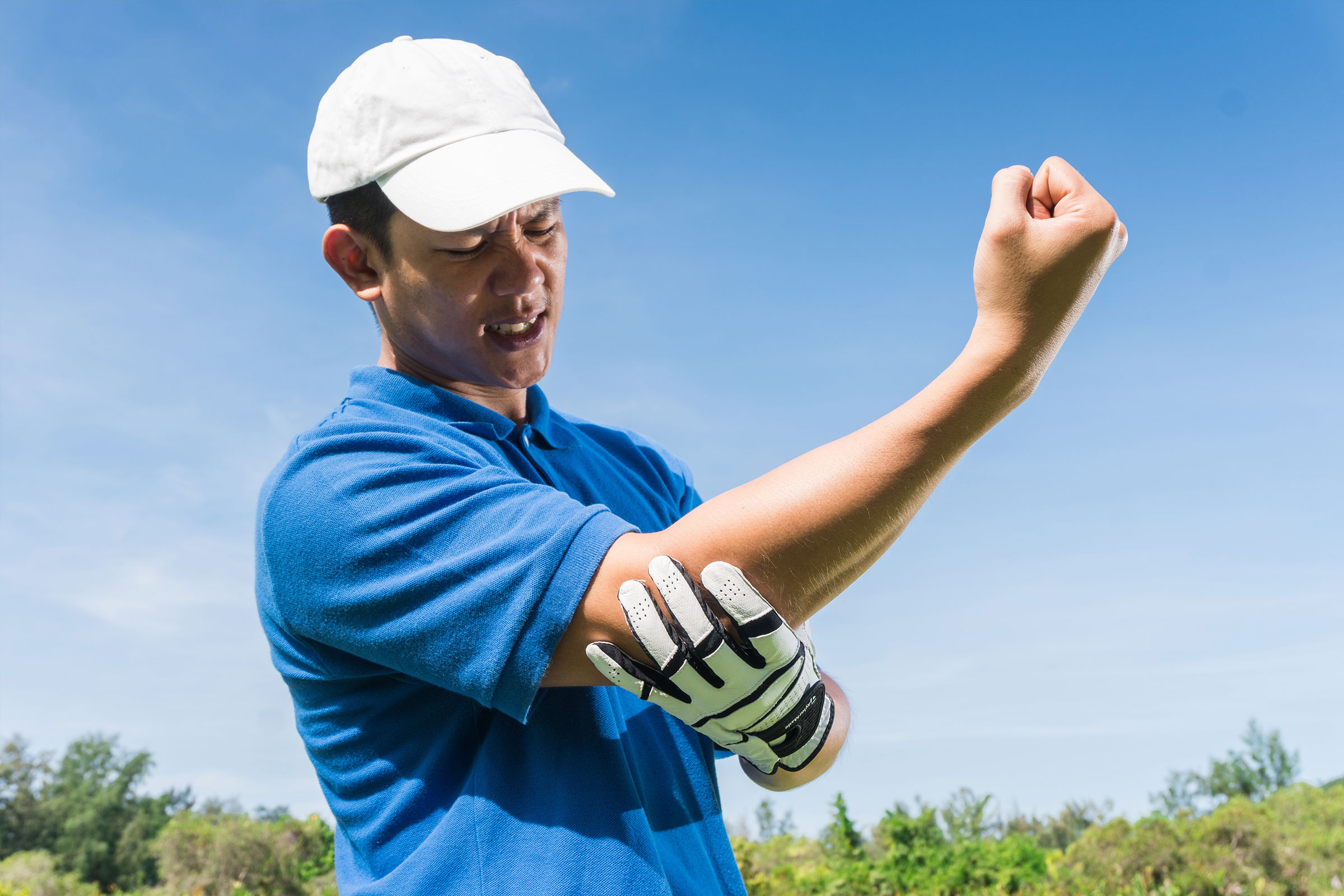
Elbow and Wrist Pain Physiotherapy in Maidenhead
Understanding Elbow and Wrist Pain
Elbow and wrist pain can make everyday activities such as gripping, typing, lifting objects, or playing sports difficult and uncomfortable. These joints are used frequently in repetitive movements, which makes them particularly vulnerable to overuse injuries.
Pain in the elbow or wrist often develops gradually due to repetitive strain or excessive load on tendons and muscles. It can also occur suddenly following trauma or sports injuries.
At Marie Daniels Physiotherapy in Maidenhead, we provide specialist physiotherapy treatment for elbow and wrist conditions. A detailed assessment helps identify the source of pain so that a personalised treatment programme can be created.
Physiotherapy treatment focuses on reducing inflammation, improving joint mobility, and strengthening the surrounding muscles to support long-term recovery.
Common Causes of Elbow and Wrist Pain
Tennis Elbow
Tennis elbow (lateral epicondylitis) is a common condition caused by irritation of the tendons on the outside of the elbow.
Despite its name, tennis elbow does not only affect athletes. It often develops through repetitive activities such as typing, manual work, gardening, or lifting.
Symptoms include:
- Pain on the outer elbow
- Weak grip strength
- Pain when lifting objects
- Discomfort during repetitive movements
Physiotherapy treatment focuses on strengthening the forearm muscles and reducing strain on the affected tendons.
Golfer’s Elbow
Golfer’s elbow affects the tendons on the inside of the elbow. It is caused by repetitive gripping or wrist flexion movements.
Symptoms may include pain on the inside of the elbow, stiffness, and weakness when gripping objects.
Physiotherapy helps restore strength and flexibility to the affected tendons.
Wrist Tendonitis
Wrist tendonitis occurs when tendons around the wrist become inflamed due to repetitive strain.
Common causes include:
- Repetitive typing
- Sports injuries
- Manual work
- Overuse
Physiotherapy treatment aims to reduce inflammation and restore normal wrist movement.
Physiotherapy Treatment Options
Treatment at Marie Daniels Physiotherapy may include:
- Manual therapy
- Soft tissue massage
- Strengthening exercises
- Activity modification advice
- Acupuncture for pain relief
These treatments help restore function and reduce the likelihood of recurring injuries.
Tennis Elbow
Tennis elbow, also known as lateral epicondylitis, is inflammation of the tendons that join the muscles of the forearm to the outside of the elbow. Pain is located on the outer side of the elbow and it can radiate into the top of the forearm and down towards the wrist. It is caused by gripping activities and repeated overuse of the extensor muscles of the forearm and tendons and those around the elbow joint. While 50% of tennis players will experience tennis elbow, it can also stem from daily activities such as, gardening, typing, swimming and sporting activities that involve high amounts of throwing.
Physiotherapy can help with:
- Massage techniques, taping and manual treatment to the joint/tissues
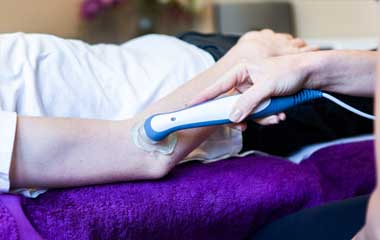
- Ultrasound to assist with remodelling and healing
- Acupuncture for pain relief
- Advice on stretches and progressive strengthening exercises to increase painfree grip and forearm strength
Golfers Elbow
Golfer’s elbow, also known as medial epicondylitis, is inflammation of the tendons that connect the forearm to the inside of the elbow. It is caused by overusing the muscles in your forearm, which lets you grip, rotate your arm and flex your wrist such as carpentry, painting, golf, sports involving throwing actions and weight training.
Physiotherapy can help with:
- Massage techniques, taping and joint/tissue mobilisations
- Ultrasound to assist with remodelling and healing
- Acupuncture for pain relief
- Advice on stretches and progressive strengthening exercises
Referred pain from the neck
Referred pain in the elbow is when pain is felt in the elbow but the cause of the pain is located elsewhere. This can be commonly caused by nerve root compression in the neck at the level of C5/6/7 and the pain can be associated with burning, tingling or pins and needles sensations. A Physiotherapist will be able to assess muscle length, disc, joint mobility and nerve involvement to determine the underlying structures involved and the cause of the problem.
Physiotherapy treatment in this instance can involve:
- Soft tissue techniques and neck mobilisations
- Ultrasound to stimulate blood flow and for pain relief
- Nerve gliding exercises
- Postural advice and realignment with strengthening and stretching exercises
- Ergonomic advice if the problem has occurred through poor posture and prolonged sitting
RSI (work related arm/hand pain)
Repetitive strain injury, also known as RSI, is a term used for damaged tissues caused by repeated movements or actions. These actions are often work-related, such as typing or performing manual labour. A number of conditions can be classed as repetitive strain injuries, including carpal tunnel syndrome, tennis elbow, elbow bursitis, de quervains’s. Common symptoms described are tingling, tightness, weakness, swelling, loss of sensation and sharp, shooting pain.
Physiotherapy can help with:
- Advice on rest, ice, anti-inflammatory medication, wearing a splint
- Stretching exercises to muscles that have become overactive and tight
- Strengthening exercises to muscles that have become weak or underused
- Workstation assessment and ergonomic/equipment advice
Carpal Tunnel Syndrome
Carpal tunnel syndrome, also called median nerve compression, is a condition that causes numbness, tingling or weakness in your palm and thumb or your index and middle fingers. It occurs due to pressure on your median nerve, which runs the length of your arm, goes through a passage in your wrist called the carpal tunnel and ends in your hand. It tends to occur with repetitive motions, like typing, or any wrist movements that you do over and over. People who have conditions such as hypothyroidism, obesity, diabetes and pregnancy are more likely to be affected.
Physiotherapy can help with:
- Massage techniques to reduce swelling
- Advice on anti-inflammatory medication and wearing a splint to keep your wrist in a neutral position
- Ultrasound to stimulate blood flow, reduce swelling and provide pain relief
- Nerve gliding exercises to help the nerve move better within your carpal tunnel
De Quervains
De Quervain’s is a painful condition which occurs when the two tendons around the base of your thumb become swollen and inflamed. Pain can be felt at the base of your thumb and also going up your forearm. It is caused by chronic overuse and repetitive movements of the wrist, commonly lifting a child into a car seat, lifting heavy grocery bags by the handles and typing/using the mouse. It tends to occur in women, especially over 40 years old, during pregnancy due to hormonal changes and a hobby or job that involves repetitive hand and wrist motions. An assessment by a Physiotherapist is needed to diagnose the condition and identify the cause.
Physiotherapy can help with:
- Advice on ice/heat and anti-inflammatory medication
- Wearing a splint 24 hours a day for 4-6 weeks to rest your thumb and wrist
- Ultrasound to reduce inflammation and assist with pain relief
- Exercises to strengthen your muscles