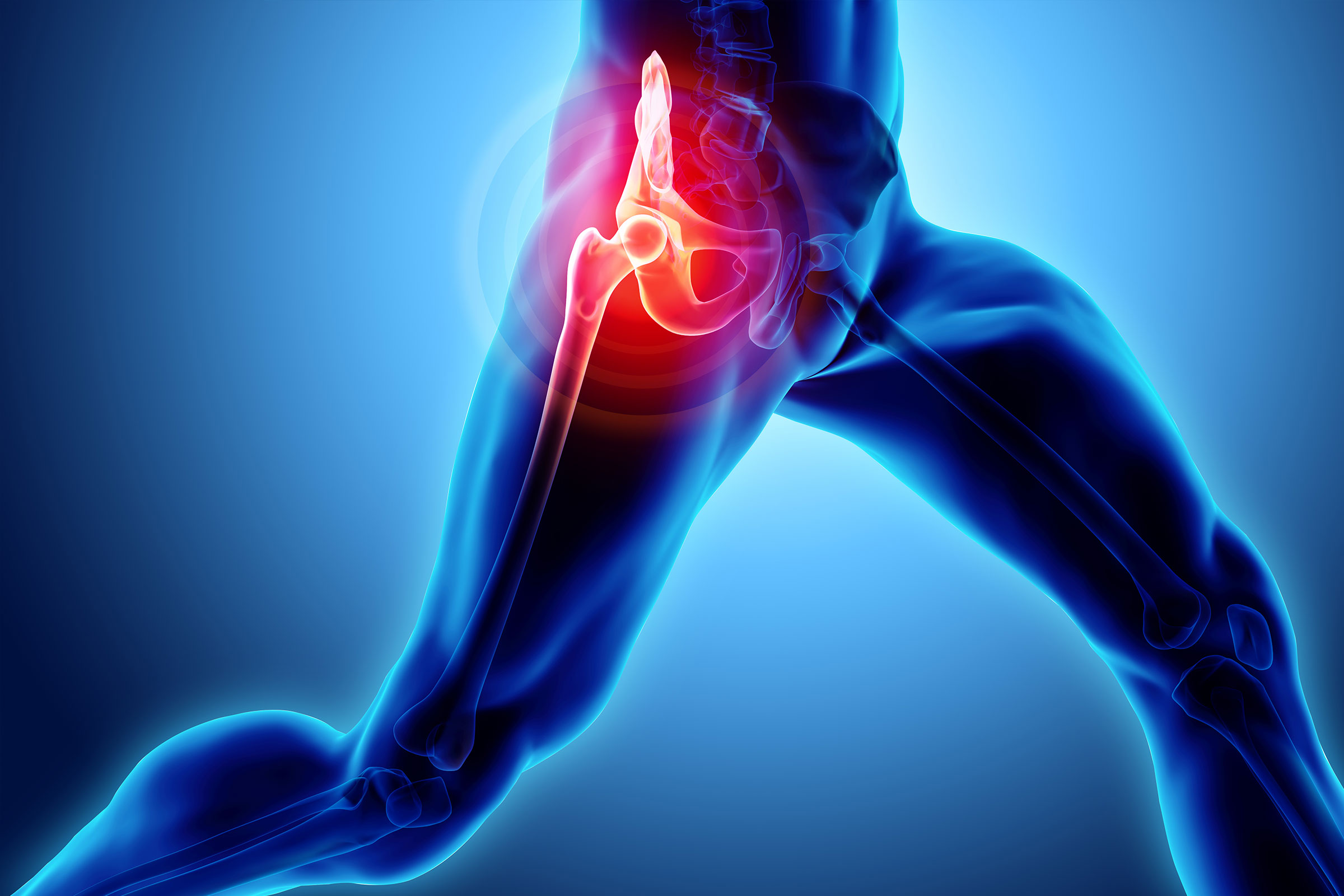
Hip Pain Physiotherapy in Maidenhead
Hip pain can significantly affect everyday activities such as walking, climbing stairs, exercising, and even sleeping comfortably. Because the hip joint supports body weight and allows a wide range of movement, problems with the hip can have a major impact on mobility and overall quality of life.
At Marie Daniels Physiotherapy in Maidenhead, we provide expert physiotherapy treatment for hip pain and related musculoskeletal conditions. Through detailed assessment and personalised rehabilitation programmes, we aim to relieve pain, restore movement, and improve strength and stability around the hip joint.
Hip pain can develop suddenly following an injury or gradually due to overuse, muscle imbalance, or degenerative changes in the joint. Early physiotherapy intervention can help reduce pain and prevent the condition from worsening.
Common Causes of Hip Pain
Hip pain can arise from a variety of conditions affecting the muscles, tendons, bursae, or joint structures around the hip.
Hip Bursitis
Hip bursitis occurs when small fluid-filled sacs called bursae become inflamed. These bursae help reduce friction between tissues around the hip joint.
Inflammation of these bursae can cause pain on the outer side of the hip, particularly when walking, climbing stairs, or lying on the affected side.
Physiotherapy treatment for hip bursitis focuses on reducing inflammation, improving hip mobility, and strengthening surrounding muscles to support the joint.
Hip Muscle Strain
Muscle strains in the hip can occur due to sudden movements, sports injuries, or excessive physical activity. Athletes and active individuals are particularly prone to hip muscle strains, but they can also occur during everyday activities.
Symptoms may include:
- Sharp pain in the hip or groin
- Difficulty walking or moving the leg
- Muscle weakness
- Tenderness around the hip joint
Physiotherapy treatment may include soft tissue therapy, stretching, and strengthening exercises to support recovery and restore normal movement.
Hip Osteoarthritis
Hip osteoarthritis is a degenerative condition in which the cartilage within the joint gradually wears down. This can lead to pain, stiffness, and reduced range of motion.
Common symptoms include:
- Hip stiffness, particularly in the morning
- Pain during walking or activity
- Reduced hip mobility
- Difficulty performing daily activities
Physiotherapy helps manage hip osteoarthritis by improving joint mobility, strengthening muscles around the hip, and reducing strain on the joint.
How Physiotherapy Can Help Hip Pain
Physiotherapy is an effective treatment for hip pain because it focuses on restoring normal movement patterns and strengthening the muscles that support the hip joint.
Treatment at Marie Daniels Physiotherapy may include:
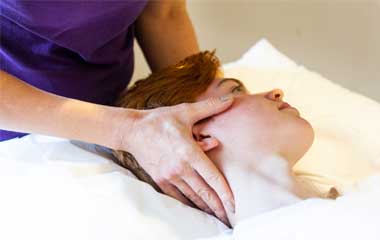
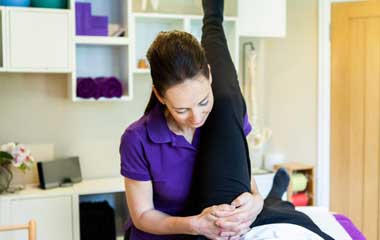
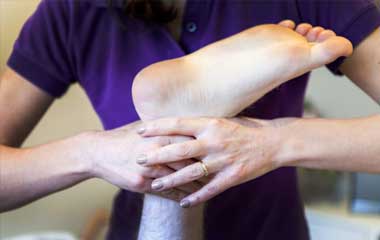
Manual Therapy – Hands-on physiotherapy techniques help improve joint mobility and reduce stiffness.
Rehabilitation Exercises – Strengthening and stretching exercises improve hip stability and movement.
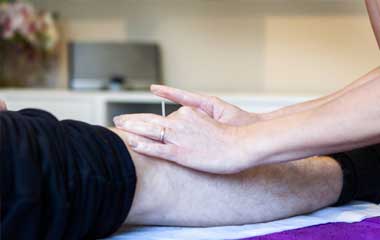
Acupuncture – Acupuncture may help reduce pain and muscle tension around the hip joint.
Movement and Posture Advice
Guidance on movement patterns, activity levels, and posture helps prevent recurring hip problems.
Hip Pain Physiotherapy in Maidenhead
Marie Daniels Physiotherapy provides professional hip pain treatment for patients in Maidenhead, Windsor, Marlow and the surrounding Berkshire areas. With a personalised and evidence-based approach to physiotherapy, treatment plans are designed to help patients regain mobility and return to their normal activities.
If hip pain is limiting your movement or affecting your quality of life, physiotherapy can help restore comfort, strength, and confidence in your movement.
Bursitis
Bursae are small, fluid filled sacs that lie between tendons and bones around the hip, acting as cushions to help reduce friction. The main bursa covers the bony point of the hip bone called the greater trochanter and when this becomes inflamed it is called trochanteric bursitis. Pain can be felt at the point of the hip and can extend to the outside of the thigh area. Typically, the pain is worse at night, when lying on the affected hip and when getting up from a chair after being seated for a while. It may also get worse with prolonged walking, stair climbing or squatting.
Our Physiotherapy treatment for bursitis may include:
- Advice on ice, ibuprofen, and avoiding activities that worsen symptoms
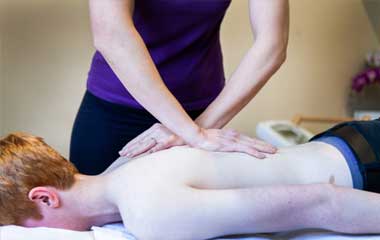
- Manual therapy with massage
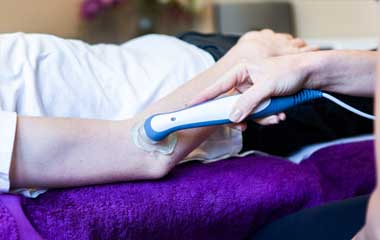
- Ultrasound to reduce the inflammation
- Strengthening exercises for your core and gluteal (buttock) muscles
- Stretching tight hip muscles
- A corticosteroid injection may be required for pain relief by a GP or hip specialist if there is limited improvement with physiotherapy
Hip Impingement
Hip impingement, also known as femoroacetabular impingement (FAI), is a condition whereby the bone at the front of the ball part of the hip joint (the femoral head) rubs against the edge of the socket (the acetabulum) when the knee is brought up towards the chest. There are generally two types of FAI:
Cam – this is where the femoral head is not entirely round and the edge of the head is therefore prominent
Pincer – this is where the edge of the hip socket catches on the femoral head/neck
The causes remain unclear. It can be congenital (people are born with it) or develop with significant athletic activity before children reach skeletal maturity. Pain is often felt in the front of the groin or at the top of the thigh, over the hip or deep within your buttock. Pain may worsen after prolonged sitting, squatting, running or jumping.
Physiotherapy can help if the symptoms are mild with:
- Advice on painkillers and anti-inflammatories
- Manual therapy to increase range of motion and hip flexibility
- Strengthening exercises for your core, gluteal and quadriceps
- Referral to a hip specialist for a corticosteroid injection or hip arthroscopy if there is limited improvement with physiotherapy
Labral Tear
A labral tear is a tear of the rim of cartilage around the hip socket. It occurs when a hip impingement (pinching at the edge of the hip) remains untreated and worsens with time, developing into a labral tear. This may eventually lead to osteoarthritis of the hip joint.
Our Physiotherapy treatment for labral tear may include:
- Advice on painkillers and anti-inflammatories
- Manual therapy to increase range of motion and hip flexibility
- Strengthening exercises for your core, gluteal and quadriceps
- Referral to a hip specialist for a corticosteroid injection or hip arthroscopy if there is limited improvement with physiotherapy
Osteoarthritis
Osteoarthritis is the process of ‘wear and tear’ where the cartilage surrounding the hip joint gradually wears away over time, resulting in bone rubbing against bone. It commonly develops in weight-bearing joints, such as the hip and knee. You are more likely to develop this condition with increasing age (often over 50), if there is a family history, previous injury to the hip joint, obesity or if you had a congenital abnormality (hip dysplasia). Pain and stiffness, especially in the morning, are the first symptoms, with noticeable difficulties in functional daily living activities such as rising from a chair or taking a walk as the muscles round the hip joint become weaker. Over time, you may experience pain in your groin or thigh that radiates to your buttocks or your knee.
Our Physiotherapy treatment for osteoarthritis may include:
- Ice or heat, ibuprofen and lifestyle modifications such as, losing weight, switching from high impact activities (like jogging/tennis) to lower impact activities (like swimming or cycling)
- Manual therapy to increase range of motion and hip flexibility
- Strengthening exercises for your core, gluteal and quadriceps
- Referral to a hip specialist if a total hip replacement (THR) is needed
ITB Syndrome
Iliotibial band syndrome (ITB syndrome) is an overuse injury of the connective tissues that are located on the outer part of the hip, thigh and knee. It causes pain and tenderness in those areas, especially just above the knee joint and commonly affects runners and cyclists. The ITB syndrome may be the result of a combination of issues, including poor training habits, poor muscle flexibility and mechanical imbalances, especially involving the low back, pelvis, hips and knees.
Our Physiotherapy treatment for ITB syndrome may include:
- Advice on rest, ice and ibuprofen and use of a foam roller
- Massage or myofascial release at the site of pain and inflammation
- Ultrasound to reduce pain and inflammation
- Stretching and strengthening exercises
- Referral to a podiatrist/orthotist for orthotics if there is a gait problem, pelvic tilt or leg length discrepancy as a potential cause of ITB syndrome
- Referral to a GP or hip specialist for a corticosteroid injection for pain relief if there is limited improvement with physiotherapy
Groin Strain
A groin strain is an overstretch or tearing injury to the muscles of the inner thigh or front of the hip. Groin problems commonly occur in athletic activities such as football, hockey and dance but can equally occur with everyday activities, such as slipping while walking or lifting and twisting. A deep ache or spasm with swelling, bruising and tightness can be felt in the groin area or lower abdomen. This can be accompanied with weakness in the leg when trying to walk, climb stairs or lift the knee and hip and limping when walking.
Our Physiotherapy treatment for a groin strain may include:
- Advice on ice and ibuprofen and rest from aggravating factors,
- Manual therapy such as massage and hip mobilisations to restore normal hip movement
- Ultrasound for pain relief
- Strengthening exercises for core, gluteal and quadriceps muscles
Total Hip Joint Replacement (THR)
In a total hip replacement, the damaged bone and cartilage is removed and replaced with prosthetic components. Osteoarthritis, rheumatoid arthritis and hip fractures are the common reasons for hip replacement surgery. Post-operative recovery usually takes 3 – 6 months when you can return to long walks, cycling or playing golf.
Physiotherapy can accelerate your recovery with:
- Advice on range of movement (ROM) and strengthening exercises around the hip and knee
- Massage to reduce post-operative tightness
- Interferential (ITF) for pain relief
- Gait re-education – teaching you to walk again unaided